| Proposed Theme |
| Keynote Speaker | |
Prof. Ken Motokura
Department of Chemistry & Life Science, Graduate School of Engineering,
Yokohama National University, Japan

Ken Motokura received his Ph.D. (2006) degree from Osaka University. Subsequently, he moved to The University of Tokyo as an Assistant Professor. He joined Tokyo Institute of Technology as a Lecturer in 2008, and was promoted to Associate Professor in 2017. In 2021, He moved to Yokohama National University as a Professor. He has received the Young Scientist Award of the Catalysis Society of Japan (2014), the Chemical Society of Japan Award for Young Chemists (2016), the Commendation for Science and Technology by the Minister of Education, Culture, Sports, Science and Technology, the Young Scientists’ Prize (2019), and the JACI GSC Award for Young Scientist (2020). His research interests include the precise design of multiactive sites on catalytic surfaces for highly efficient organic synthesis and catalytic transformation of CO2/C-H bonds. | Title: Toward a Greener Future: Catalytic Approaches to CO₂ Utilization and C–H Bond Activation
Abstract: Accumulation of active species on same solid surface/in same reaction systems enables novel catalysis. Immobilization of metal complex/organocatalysts on solid surface with additional functionality is an ideal approach to enhance metal complex catalysis. We have developed the noble Pd complex/Cu complex bifunctional catalytic surface for the N-allylation. The two metal complexes, Pd and Cu, activate allylicl alcohol and amine, respectively, resulting highly efficient N-allylation. Organocatalysis could also be enhanced by surface concerted effect: hydrosilylation of aldehyde and carboxylic acid were accelerated. Bifunctional catalysis is also effective for the inert bond activation: benzene C-H bond was activated by RhRu and PdRu bimetallic oxide cluster for acetoxylation/biaryl synthesis in the presence of molecular oxygen as a sole oxidant. The Pt-solid acid reaction system also enables the direct conversion of propane and benzene to isopropylbenzene. We also focuses on CO2 conversion reaction on “wasted silicon” surface. The conversion of CO2 in exhoust gas by silicon reducting aget is discussed. The reducing ability of silicon powder could be applied to the semi-hydrogenation of alkynes. |
| Special Keynote Speaker | |
Prof. Tetsushi Sonobe
Deputy director of the International Cooperation Course of the Public Policy Program
The National Graduate Institute for Policy Studies (GRIPS), Japan

Professor Tetsushi Sonobe received his PhD in Economics from Yale University in 1992, he taught courses on economic development and growth at the Tokyo Metropolitan University for 11 years. From 2003 to 2012, he operated the International Development Studies (IDS) Program, which was established jointly by GRIPS and the Foundation for Advanced Studies on International Development. In April 2012, he fully joined GRIPS as a full-time professor and took various roles, including chairperson of the doctoral programs committee, executive advisor to the president, founding director of the State Building and Economic Development program and the GRIPS Global Governance program, and vice president. From April 2020 to March 2025, he was the dean and CEO of ADBI, the think tank of the Asian Development Bank. In April 2025, he joined GRIPS again. | Title: An Approach to a Happier Life
Abstract: I am a development economist and have conducted many case studies of industrial development in developing countries, including Bangladesh. In this conference, however, I would like to present my recent study of married couples’ trust and gender norms in India. This randomized controlled trial assesses two complementary interventions. The first is private couple counseling intended to foster cooperative decision-making. The second is a combination of this counseling and community-based activities intended to reinforce behavioral change via social accountability and public engagement. The major finding is that both interventions significantly improve husband-wife cooperation, with the community-based intervention yielding stronger and more persistent effects. For example, wives in the second intervention experienced reductions of about 40 minutes in household choirs and 45 minutes in unpaid care per day. Participants in both interventions reported significant reductions in domestic violence and shifts in gender stereotypes. In short, the study offers insights into happiness. |
| Plenary Speakers | |
Prof. Md. Amzad Hossain
Graduate School of Agriculture,
University of the Ryukyus, Japan

Dr. Md. Amzad Hossain is a Professor of Agronomy at the University of the Ryukyus, Japan. He received his B.Sc. in Agriculture from BAI (now Sher-e-Bangla Agricultural University) under Bangladesh Agricultural University, M.S. in Agriculture from the UR and Ph.D. in Agriculture from the United Graduate School of Agricultural Sciences (UGSAS), Kagoshima University (KU), Japan. He worked at the UR as a chief researcher for Manda Fermentation Co. Ltd. from April 1999 to October 2006. He was appointed as an associate professor at the UR in November 2006 and was promoted to professor in December 2017. Since 2009, he has been serving as a major advisory professor for the doctoral program at the UGSAS, KU. Hossain has served as the major advisor to 12 doctoral students (including 5 MEXT scholars) and 10 master’s students, and as co-advisor to 6 doctoral students. He has authored or coauthored more than 100 journal articles. Hossain teaches and conducts research on climatic, edaphic, and agronomic factors that contribute to environmentally sound and sustainable plant production, aiming to conserve natural resources while ensuring higher yields and improved quality. His research primarily focuses on weed management and utilization, sugarcane, rice allelopathy, amaranth and turmeric cultivation, soil and fertilizer management, and the use of farmyard and green manures. He received the Prominent Achievement Award from the Weed Science Society of Japan in 2005 and the Okinawa Research Encouragement Award (Natural Science) in 2014. He is currently the Managing Editor of Weed Biology and Management and an Associate Editor of Plant Production Science. He has also served as Director of the Subtropical Field Science Center at the University of the Ryukyus and as a delegate member of the United Graduate School of Agricultural Sciences, Kagoshima University. | Title: Environmentally Sound and Sustainable Plant Production: Turmeric (Curcuma spp.) Cultivation Practices in Okinawa, Japan
Abstract: The use of chemical inputs in agriculture depletes soil fertility, contaminates air, water, and food, and poses risks to ecosystems and human health. Yield and quality of plants are influenced by climatic and edaphic factors, fertilizer and soil management, and cultivation practices. Turmeric (Curcuma spp.) is widely cultivated in tropical and subtropical regions of the world, particularly in South and Southeast Asia, where it is commonly used as a spice. Turmeric contains a wide array of bioactive compounds and nutrients, making it highly valued in traditional medicine, culinary practices, cosmetics, functional foods, and the pharmaceutical and nutraceutical industries. Global demand for turmeric is increasing due to its bioactive molecules, which exhibit pharmacological properties such as antioxidant, anti-inflammatory, hepatoprotective, antidiabetic, anticancer, anti-Alzheimer’s, digestive-stimulant effects, etc. In Okinawa, where turmeric has been cultivated for more than 600 years, various agronomic, climatic and edaphic factors affect its production. This lecture highlights the effects of planting time, relative light intensity, soil type, seed material, planting methods, chemical fertilizers, farmyard manure, green manure, weed management, and continuous cropping on the growth, yield, and quality of turmeric, aiming to develop environmentally sound and sustainable cultivation technologies for Okinawa as well as other countries. |
Prof. Sahoko Ichihara
Department of Environmental Health and Preventive Medicine,
Jichi Medical University, School of Medicine, Japan
Sahoko Ichihara graduated from Nagoya University School of Medicine and worked as a resident and cardiologist at community hospitals. She then entered the Nagoya University Graduate School of Medicine and earned her Ph.D. in Internal Medicine. After studying abroad at Vanderbilt University in the United States for two years, she became an assistant professor at the Life Science Research Center and an associate professor at the Graduate School of Regional Innovation Studies at Mie University. In 2017, she moved to the Department of Environmental Health and Preventive Medicine at Jichi Medical University School of Medicine as a professor. Her research focuses on human genome studies to identify disease susceptibility genes and on elucidating the mechanisms of diseases caused by environmental factors. Using experimental and epidemiological studies, she is assessing the effects of environmental stress by lifestyle and environmental chemicals on the cardiovascular system and other organs. | Title: The effects of environmental factors on the onset and progression of diseases
Abstract: Lifestyle-related factors, such as unhealthy dietary habits, physical inactivity, smoking, and excessive alcohol consumption, are known to increase the risk of non-communicable diseases (NCDs), including cancer, diabetes, cardiovascular diseases, chronic respiratory diseases, and mental disorders. Furthermore, epidemiological studies have reported associations between air pollution and coronary artery disease, and between arsenic concentrations in soil and hypertension. These findings highlight the importance of environmental chemicals as potential risk factors for NCDs. Bangladesh has made significant progress in controlling infectious diseases through public health improvements, including enhanced sanitation, better maternal and child health care, and improved infant nutrition. As a result, NCDs currently account for a large proportion of morbidity and mortality. While changes in dietary habits are thought to be a major factor in the increasing prevalence of NCDs, exposure to environmental chemicals may also contribute. Our research focuses on evaluating the impact of environmental factors, including chemical substances, on the onset and progression of diseases, and aims to elucidate their molecular mechanisms. This also introduces our collaborative research conducted with researchers in Bangladesh. |
Dr. Khalid M. Khan
Department of Public Health
Sam Houston State University, USA

Dr. Khalid Khan public health researchers and an Associate Professor of Public Health at Sam Houston State University, Texas, USA. His multidisciplinary research encompasses a broad area of environmental epidemiology with specific emphasis on vulnerable populations including children, adolescents, and older adults. His current research activities can be categorized into two major areas. He investigates the neurobehavioral (NB) health effects of environmental and occupational exposures as well as the mechanisms of action of neurotoxic contaminants. Furthermore, he evaluates the efficacy of community-based interventions for reducing health disparities in the areas of water, hygiene, infectious diseases, and occupational noise exposure. He has investigated neurobehavioral and mental health effects of metals, air pollutants and pesticides in vulnerable groups in the United States, Egypt, Ecuador, and South Asian countries including India and Bangladesh. Dr. Khan receives his Bachelor and Master’s degrees in Biochemistry from the University of Dhaka, a second Master’s degree in Environmental Science from Griffith University, Australia, and a Doctoral degree from Columbia University, New York, USA. | Title: Deciphering the links between metal exposure, neurocognition, and thyroid hormone in adolescents and young children in rural Bangladesh
Abstract: Children in low and middle-income countries (LMIC) including Bangladesh are at high risk of neurocognitive (NC) abnormalities from exposure to toxic metals such as arsenic (As), lead (Pb), manganese (Mn), and cadmium (Cd). Neurotoxic metals co-exist at moderate to high levels posing additional risk to children. Our own epidemiological research has provided critical evidence on the adverse impact of single metals on brain development. However, data are lacking on the adverse effects of metal co-exposure and critical time intervals when the effects start to appear. Also unclear are the underlying mechanisms of neurotoxicity.
We will leverage our existing collaborations with Bangladeshi institutes to assemble a group of Bangladeshi and US investigators to address these critical knowledge gaps. A unique feature of the proposed research is to identify the mechanism underlying the NC effects of As, Pb, Mn, and Cd co-exposure. These metals have shown impacts on biomarkers of thyroid hormones (TH) and thyroid diseases. Since early brain development relies heavily on TH, interference of TH by metals may impede brain function in childhood. We hypothesize that disruption of TH by metal mixtures in early life produces toxic effects on brain development. We will test this novel hypothesis via two epidemiological studies on adolescents and young children in two rural sub-districts of Bangladesh known for high variability of As, Pb, Mn, and Cd. Our research will likely generate a model that can be replicated to study metal neurotoxicity in other LMIC to mitigate the burden of neurocognitive impairment in early phases of life. |
Prof. Takashi Saito
Department of Clinical Cariology and Endodontology
Health Sciences University of Hokkaido, Japan
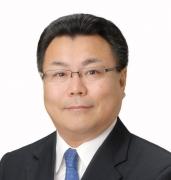
Dr. Takashi Saito is a renowned expert in conservative and restorative dentistry, currently serving as Professor and Chairman of the Division of Clinical Cariology and Endodontology at the Health Sciences University of Hokkaido. With a D.D.S. (1990) and Ph.D. (1994) from the same institution, he has held academic and leadership roles including Dean of the School of Dentistry (2013–2019) and Director of the university’s Dental Hospital (2019–present). Dr. Saito’s research focuses on dentin remineralization, regenerative dentistry, and adhesive techniques rooted in minimal intervention. He has been recognized with several prestigious awards, including the Hatton Award from the IADR and the DENTSPLY Award in Japan. Internationally active, he has held visiting professorships at Taipei Medical University and Mahidol University. He is a board-certified fellow and director in multiple Japanese dental societies and has served in advisory roles for Japan’s Ministries of Education and Health. He is also a fellow of the International College of Dentists and serves on editorial boards and scientific committees worldwide. | Abstract: Contemporary dental caries treatment is moving beyond conventional “drill-and-fill” procedures toward minimally invasive, biologically supportive treatment. This shift has accelerated interest in bioactive restorative materials that can interact with oral tissues rather than merely replace lost structure. Calcium-containing functional monomers, such as CMET, exemplify this new direction by inducing hydroxyapatite formation, enhancing dentin remineralization, providing antibacterial effects, and modulating cellular responses related to dentin-pulp complex repair. This seminar introduces the scientific principles and emerging evidence behind these materials and discusses how calcium-monomer systems may serve as a translational platform for next-generation, regeneration-oriented oral rehabilitation. |
Prof. Sharifu Ura
Division of Mechanical and Electrical Engineering,
Kitami Institute of Technology, Japan

Sharifu URA graduated from the Department of Mechanical Engineering, Bangladesh University of Engineering and Technology in 1992 and earned his Ph.D. in Mechanical Engineering from Kansai University in 1999. He served as Assistant Professor at the Asian Institute of Technology, Thailand (2000–2002), and as Assistant/Associate Professor at United Arab Emirates University (2002–2009). Since 2009, he has been with Kitami Institute of Technology, where he is currently a Professor in Mechanical and Electrical Engineering and directs the Advanced Manufacturing Engineering Laboratory. His research focuses on design and manufacturing engineering, with notable contributions to smart manufacturing, 3D printing, and engineering education. Throughout his international academic career, he has demonstrated a strong commitment to both research excellence and student mentorship. Under his guidance, students engage in cutting-edge technologies essential for fostering the next generation of engineers and researchers. Many of his former students now play leading roles in academia and industry worldwide. His academic leadership roles and editorial board memberships in several international journals further highlight his impact on shaping the discourse in modern manufacturing and engineering education. He is also one of the founding board members of NBRJ. | Title: A Discourse on Smart Manufacturing: Trends, Challenges, and Future Directions
Abstract: Smart manufacturing represents the integration of advanced digital technologies, intelligent systems, and data-driven decision-making to transform traditional manufacturing processes. This discourse explores the evolution and current state of smart manufacturing, highlighting key technologies such as IoT, AI, robotics, and digital twins, as well as their impact on product design, production efficiency, and sustainability. It examines global trends and challenges, including workforce development and the role of higher education in preparing future engineers and researchers. Drawing from international academic and industry perspectives, the discussion emphasizes the importance of collaboration between research institutions and industry partners. It also underscores how effective mentoring and leadership can foster innovation and equip the next generation to play leading roles in advancing smart manufacturing worldwide. |
Md Shoaib Bhuiyan
Suzuka University of Medical Science, Japan

Dr. Md Shoaib Bhuiyan joined the Faculty of Engineering at the Nagoya Institute of Technology, Nagoya, Japan in April 1996, subsequently after earning a doctorate degree from its Electrical & Computer Engineering department. Four years later, he moved to the Suzuka University of Medical Science, Mie, Japan as a tenured faculty. He is now a tenured Professor (kyouju) at the Health Data Science department, and also with the Graduate School of Health Science. Earlier, he received a BSc (honours) degree with first class first position in Applied Physics & Electronics from the University of Dhaka, Dhaka, Bangladesh in 1987, and an MSc degree with dissertation research on microprocessor applications in 1989.
Professor Bhuiyan has taught courses on programming, database, image processing, human interface, artificial Intelligence, and information processing. He has researched applications of image processing and machine learning technologies in the Intelligent Transportation System (using image data from multiple sensors inside and outside the vehicle) and in biomedical setting. He has a Japanese Patent # 2012-068841, on awakening device for intelligent vehicles. He is a Senior member of the IEEE (Institute of Electrical and Electronics Engineers). He served as an editorial board member of IEEE PULSE, a flagship publication of the IEEE Engineering and Medicine in Biology Society, for 4 years till 2018. He is an active member of several related academic societies. He has reviewed articles for many international journals and conferences and has chaired or co-chaired sessions at many flagship IEEE conferences. He has authored or co-authored 80 peer-reviewed technical articles. | Title: Artificial Intelligence in Healthcare
Abstract: Artificial Intelligence (AI) has become a transformative force in healthcare, heralding a new era of innovation and efficiency. This talk explores the multifaceted impact of AI on the healthcare landscape, highlighting its pivotal role in enhancing patient care, optimizing operational processes, and driving medical research advancements. AI’s integration into patient care is revolutionizing diagnostic accuracy and treatment personalization. Machine learning algorithms, particularly deep learning, analyze vast amounts of medical data to identify patterns and predict outcomes with unprecedented precision. These technologies facilitate early detection of diseases such as cancer and cardiovascular conditions, enabling timely and targeted interventions. Additionally, AI-powered predictive analytics are transforming patient management by forecasting disease progression and personalizing treatment plans, thus improving patient outcomes and reducing healthcare costs. AI is also streamlining how healthcare is provided to the consumer, addressing inefficiencies, and enhancing workflow. Automation of administrative tasks, such as appointment scheduling and patient data management, reduces the burden on healthcare professionals, allowing them to focus on direct patient care. Natural language processing (NLP) technologies are improving electronic health record (EHR) systems by enabling more intuitive data entry and retrieval. Moreover, AI-driven tools are optimizing resource allocation, predicting patient admissions, and managing hospital logistics to ensure smoother operations and better utilization of resources. The ethical and regulatory implications of AI in healthcare are also critical considerations. As AI systems become more integrated into healthcare, ensuring data privacy, addressing biases in AI algorithms, and establishing robust regulatory frameworks are paramount to fostering trust and ensuring equitable access to AI-driven healthcare solutions. In conclusion, AI’s transformative potential in healthcare is vast, offering significant benefits across patient care, operational efficiency, and medical research. By harnessing the power of AI, the healthcare industry is poised to deliver more accurate, efficient, and personalized care, ultimately improving patient outcomes and advancing medical science. |
 Network of Bangladeshi Researchers in Japan